Development, driven by data.
The same biomechanical evidence that measures device performance drives the full development program: device, instruments, surgical technique, validation, regulatory strategy, and the training that puts it in surgeons' hands. Evidence can precede a program or run alongside it, and support starts at whatever stage of the lifecycle a device is already at.
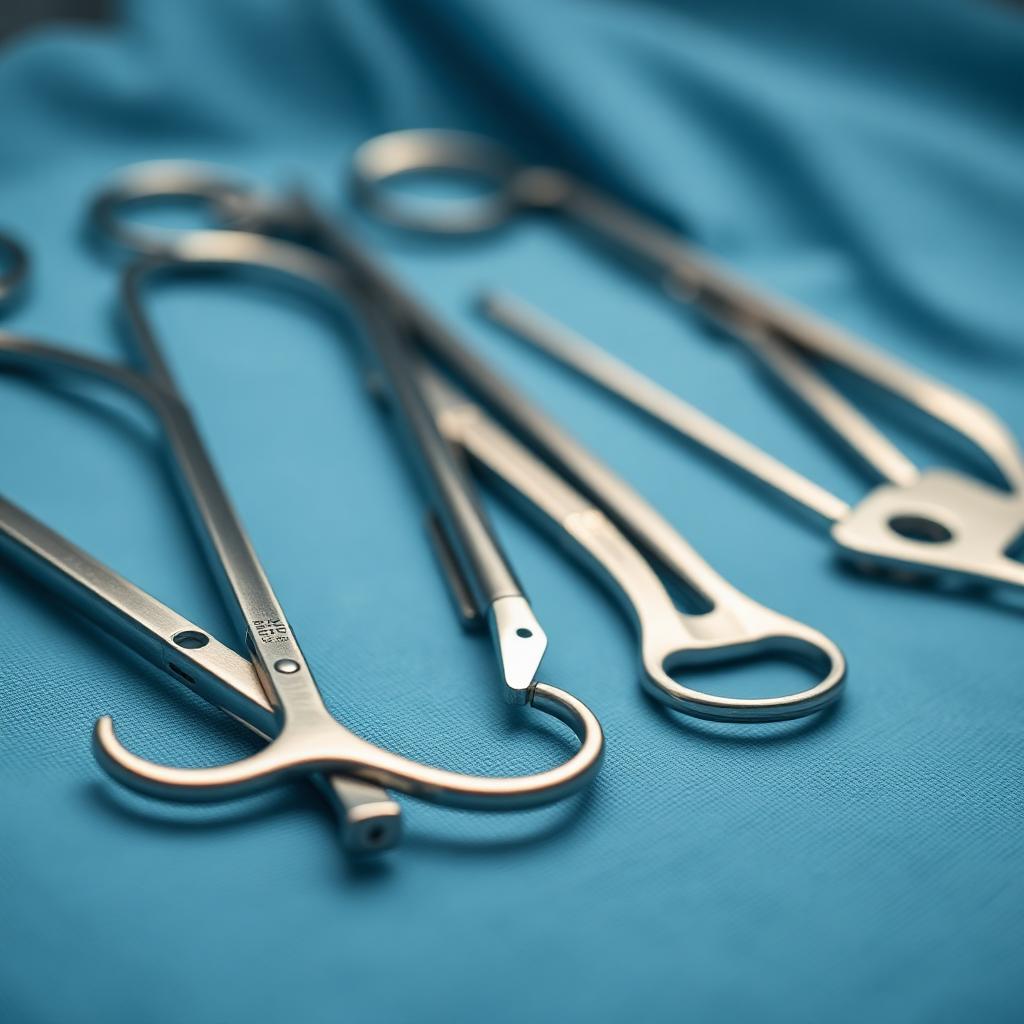
Where the device meets the surgeon.
An implant performs only as well as the instruments that place it and the technique that guides them. Both are designed and refined against cadaveric usability data and biomechanical measurement, validated in tissue, and taught to surgeons in the same laboratory. Evidence, design, validation, and adoption, under one roof.
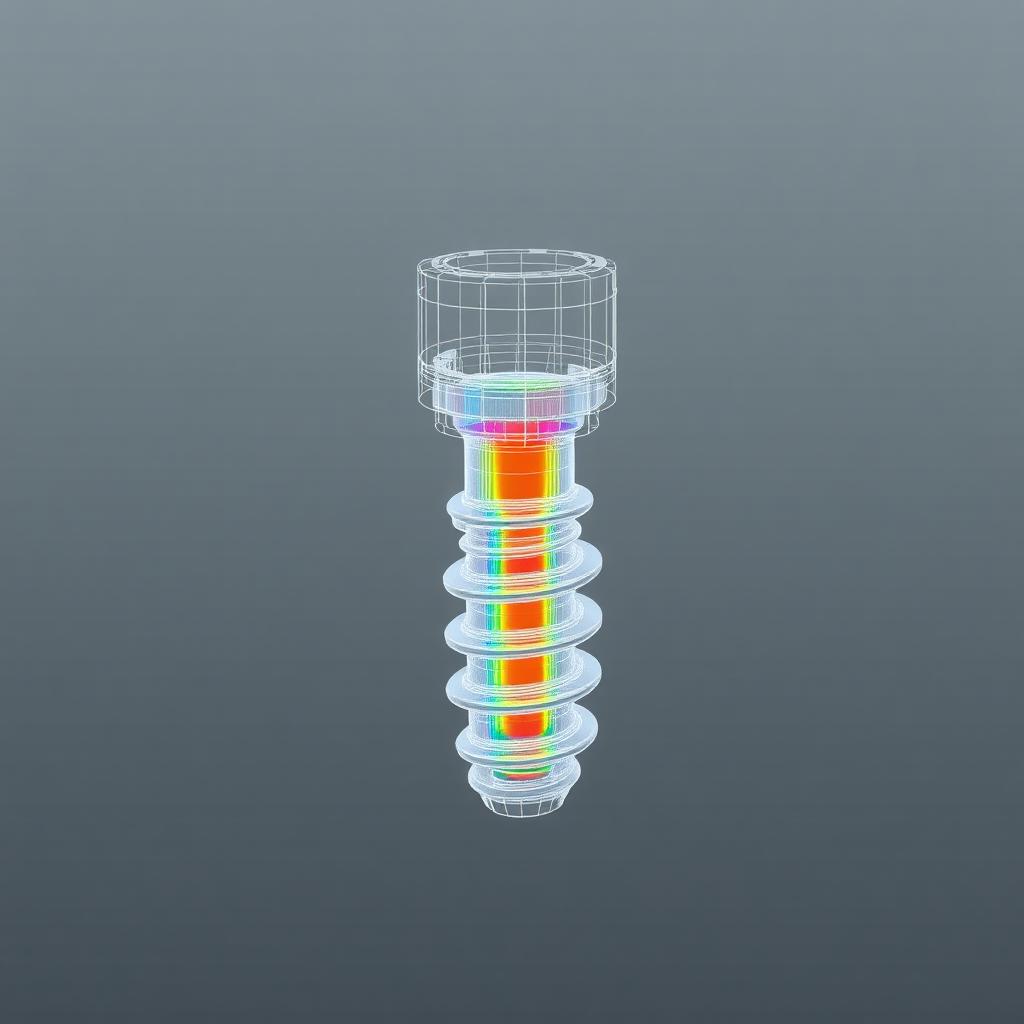
Developed against the data.
Concept through validated device, instruments, and technique, informed by the same four-domain evidence generated for the field: computational models to explore the design space, synthetic and cadaveric testing to check it, clinical evidence to ground it. Optimizing an existing device runs the same way — measure what it does, model why it does it, change what matters.
A closed loop, not a handoff.
Most design work is separated from the evidence that should inform it. Here the four stages share one dataset and one team. They run in sequence or concurrently, and a program can enter at any stage.
Entry at any stage. Stages run sequentially or in parallel.
Evidence built for the submission.
Regulatory strategy is developed alongside the submission firms that file it. Test protocols and computational credibility assessments are scoped to the pathway before testing begins, so the evidence is designed for the claim it has to support rather than assembled to fit one afterward.
Fixed scope. Compounding evidence.
Every project is fixed scope with a fixed deliverable. What carries between them is the evidence — models validated for one program are available to the next, and specimen work already done is not repeated. A second project starts from what the first established, at whatever stage of the lifecycle the device has reached.
From first concept to next generation.
Early-stage companies who need a device, its instruments, and its technique built from evidence rather than assumption. Established manufacturers optimizing a device already on the market, or rebuilding an instrument set and technique around one. Teams who have the clinical insight and need the engineering to realize it.