Ground truth,
applied.
One laboratory for computational modeling, physical testing, surgical workshops, and device development, trusted by regulators, clinicians, and device manufacturers across the innovation lifecycle. Evidence spans four cross-validated domains, in silico through in vivo. Validated models and tools return results in hours.
Three services, one evidence base.
Biomechanical data across four cross-validated domains, from computational models to clinical results.
The four domains →Device workshops, usability evaluation, and cadaveric technique work in the Dallas surgical wet lab, 30 minutes from DFW International.
Explore the lab →Devices, instruments, surgical techniques, and regulatory strategy developed on biomechanical data.
Explore development →Results in hours, not months.
Computational tools and models, validated one-to-one against their composite, cadaveric, and clinical counterparts. When a study fits an existing model, the specimen work is already done, and testing the next design is computation, not another study.
Biomechanical evidence, generated and validated.
Across the musculoskeletal system and every specialty the published work reaches. Physical testing is produced in accordance with ISO/IEC 17025, on equipment calibrated by ISO/IEC 17025-accredited providers. Computational model credibility is assessed per ASME V&V 40.
Sequence Cross-validation
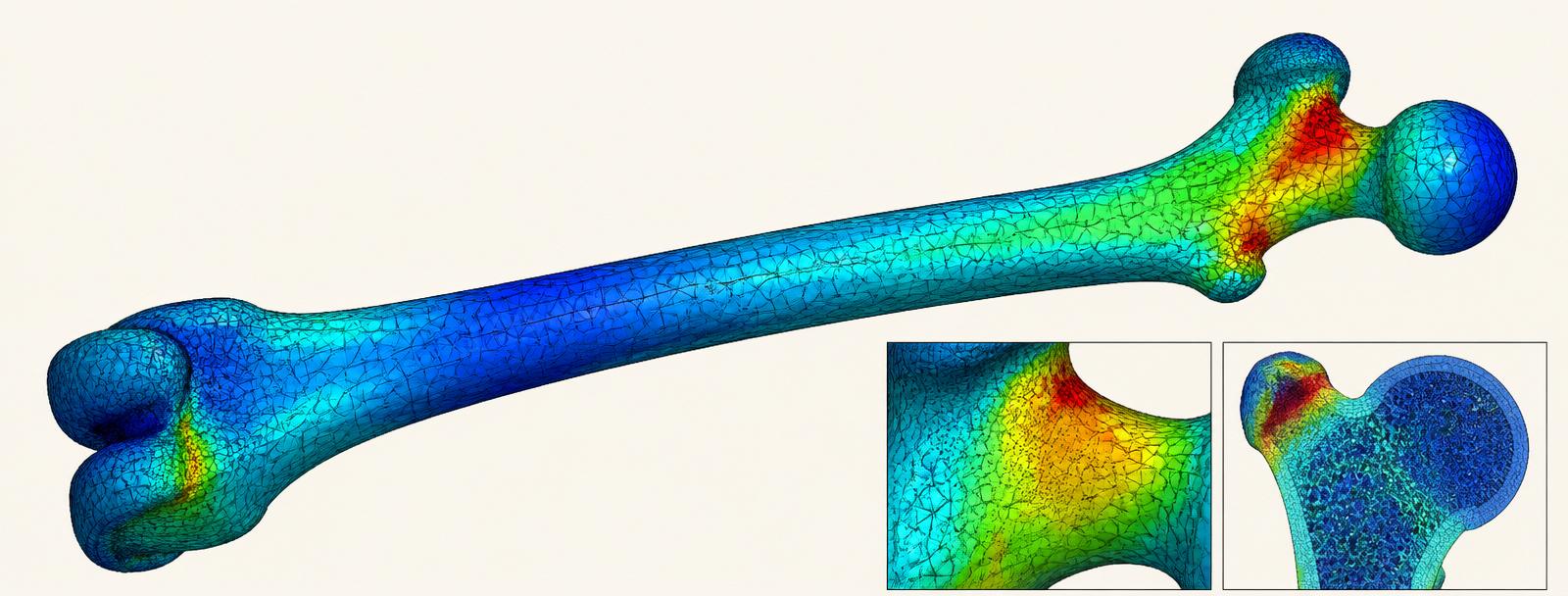
Validate once. Iterate forever.
Digital twins of physical models, validated against the source: in vitro, in situ, or in vivo, depending on the experiment. Many already validated and ready to run. Custom validated models built to order. Once a model is validated, testing the next design, technique, or anatomy runs in software. Upload geometry and imaging. Results return in hours.
Start a project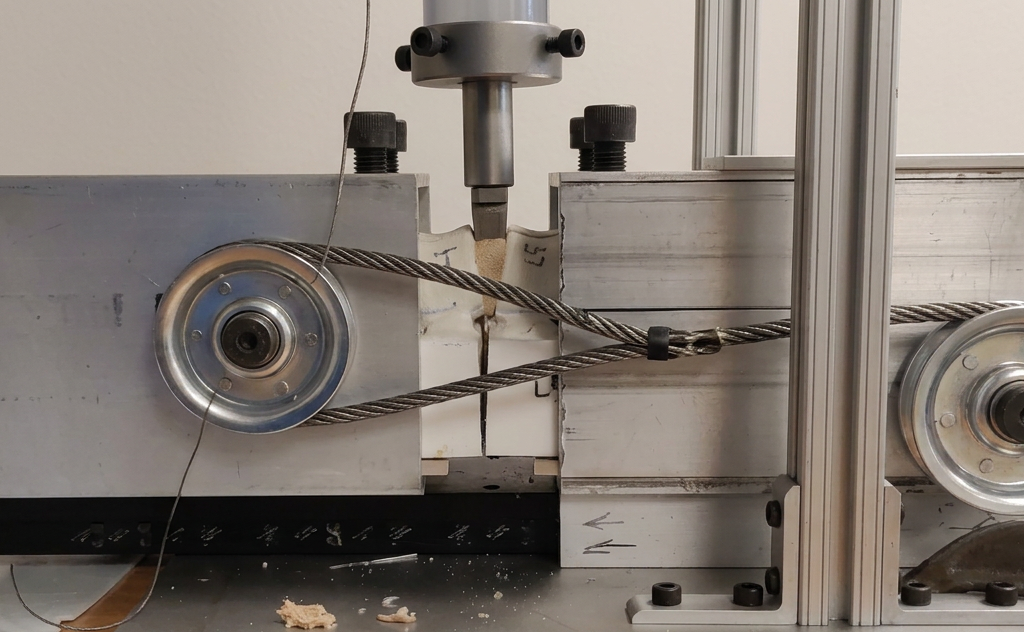
Repeatable, at any volume.
Non-cadaveric testing on synthetic bone, metal, and other analogs gives high-volume, repeatable mechanical evaluation. Validated against in situ and in vivo evidence, so synthetic results map to real tissue and real physiology.
Start a project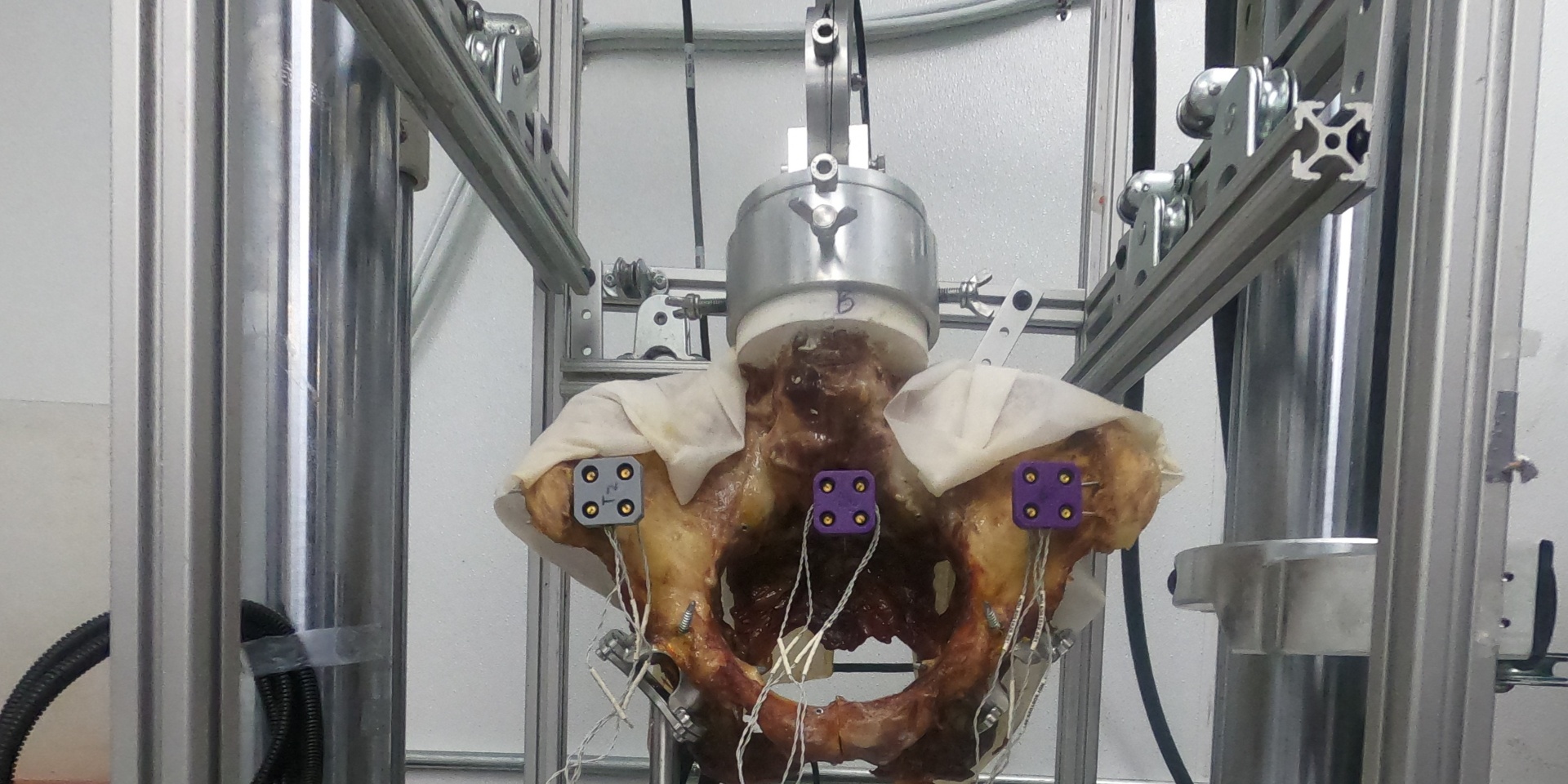
Bespoke science. Standardized protocols.
Human cadaveric biomechanics is the highest-fidelity physical model there is. Custom models designed for novel devices with no existing standard. Regulatory protocols are tightly controlled and standardized across all devices, so results are comparable from device to device and submission to submission. Validated against in vivo evidence.
Start a project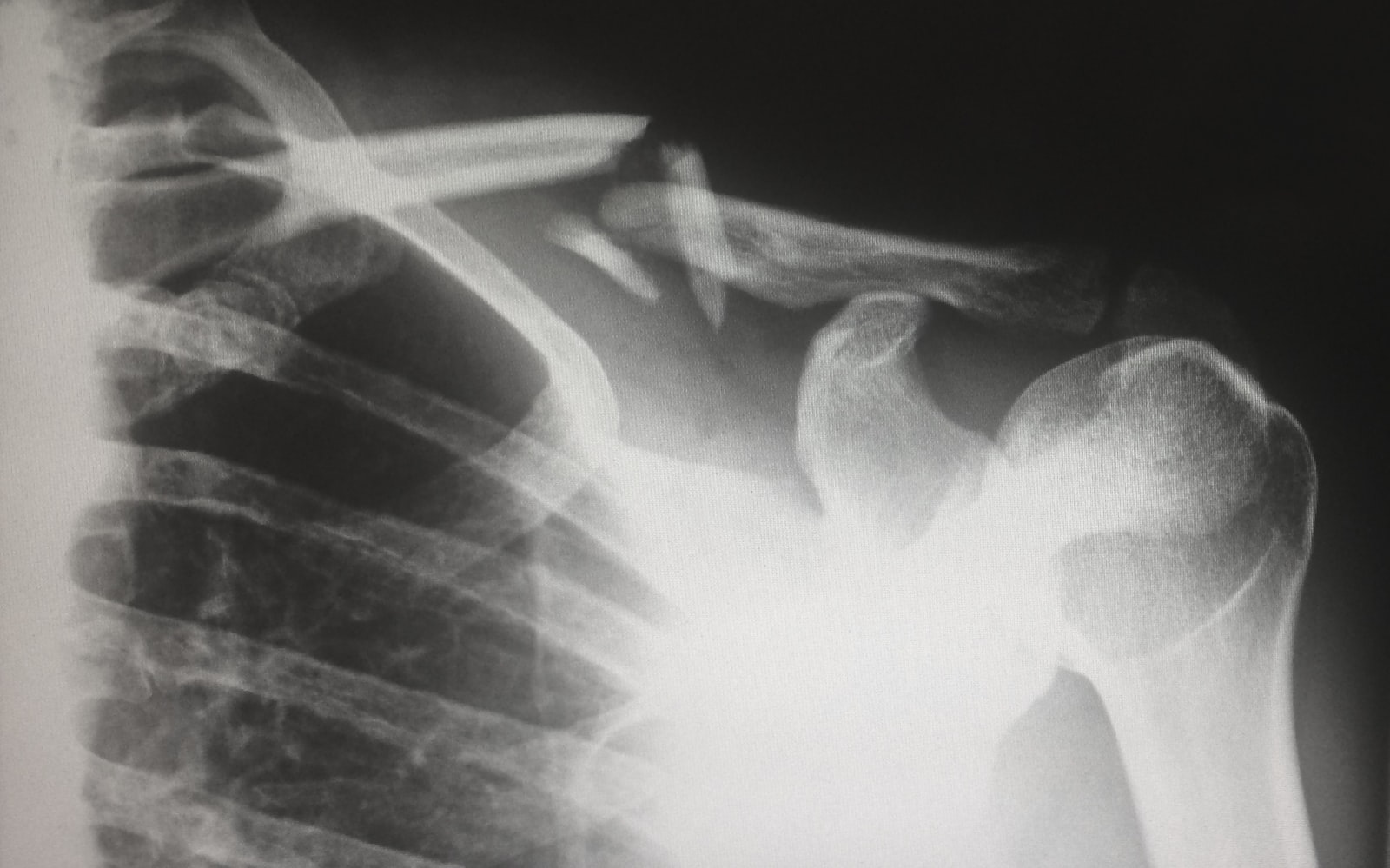
Proof, in living physiology.
Biomechanical validation in the living. It spans motion and kinematics, load and stress transfer, fixation and migration, fusion, alignment, and the full range of a device's behavior in the body, as measured by clinical imaging and follow-up. In vivo evidence is what the other three domains are ultimately checked against.
Start a project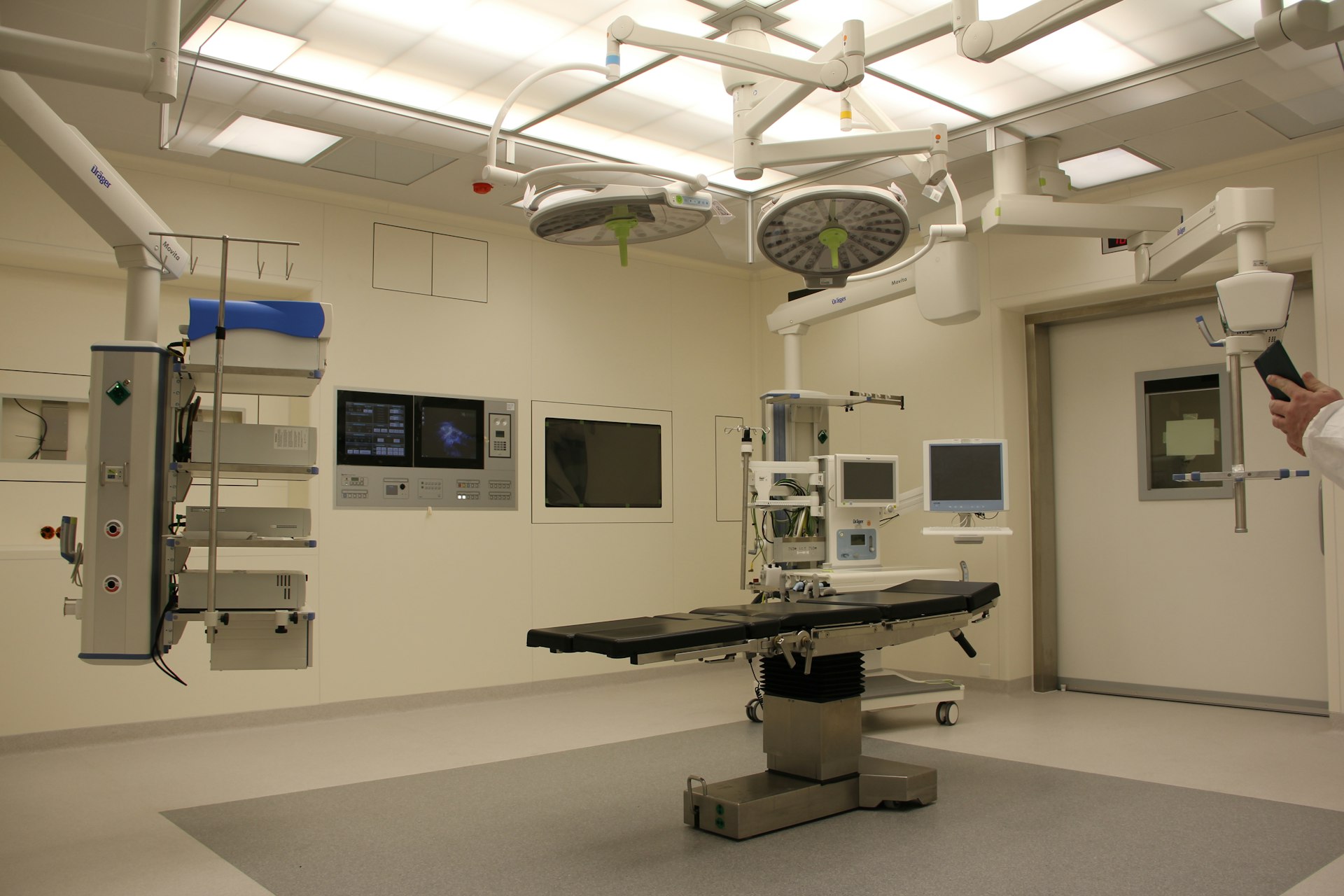
Hands on the device.
A cadaveric wet lab in Dallas, 30 minutes from DFW International, configured to the session. Device workshops, usability evaluation, and technique development, with tissue from five AATB-accredited banks, fluoroscopy, in-house sterilization, and a 60+ physician faculty network. Sessions stream live to remote attendees.
Explore the lab →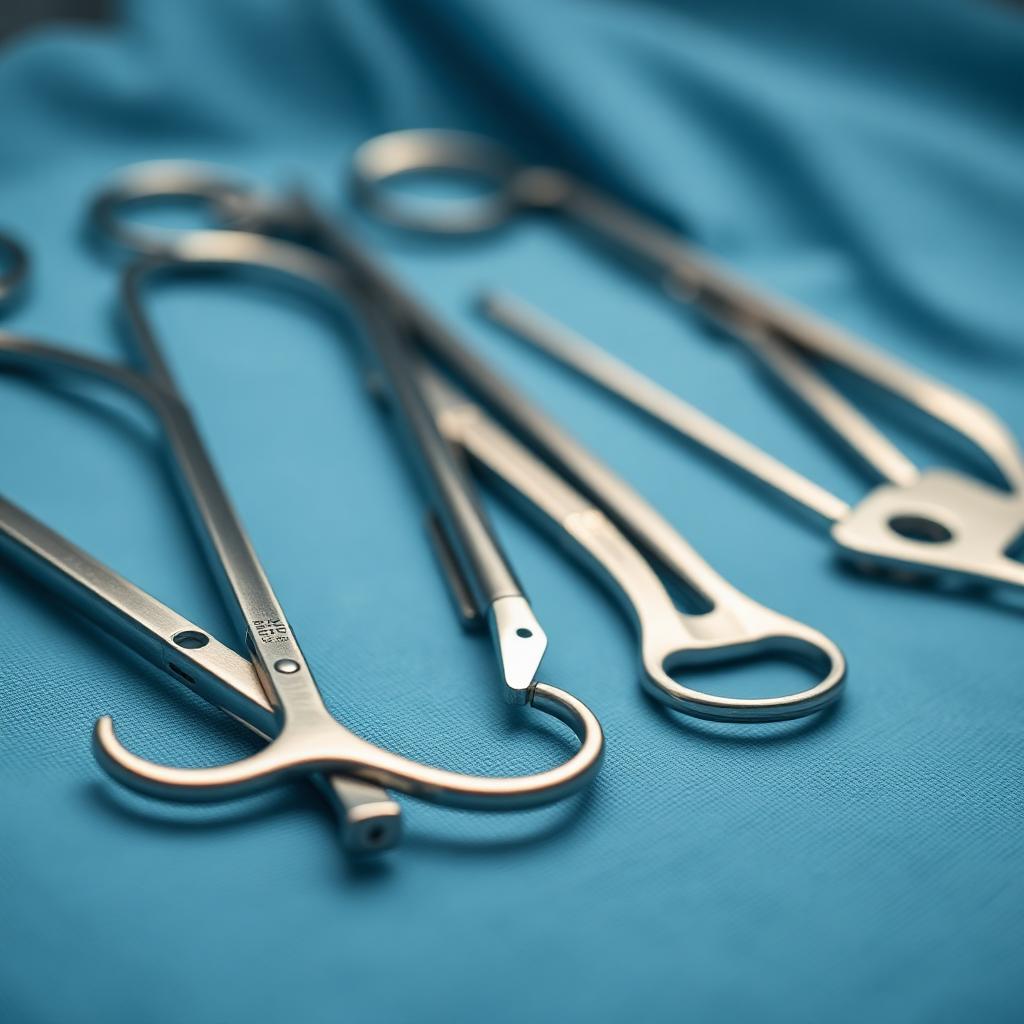
Development, driven by data.
Full development programs built on the same four-domain evidence generated for the rest of the field — device, instruments, surgical technique, validation, regulatory strategy, and the training that puts it in surgeons' hands. Evidence can precede a program or run alongside it, so development and validation compress into one schedule instead of two. Projects are fixed scope; the evidence carries between them, so each one starts from what the last established.
Explore development →New studies start in days.
New model development and physical testing start in days.
Evidence for every decision.
The same evidence supports decisions from first design through post-market. One source, across the innovation lifecycle.
Peer-reviewed, and presented widely.
Validated biomechanical evidence across musculoskeletal specialties, from cadaveric and computational studies through clinical results. Peer-reviewed, and presented at the field's major meetings.
The engineers behind the work.
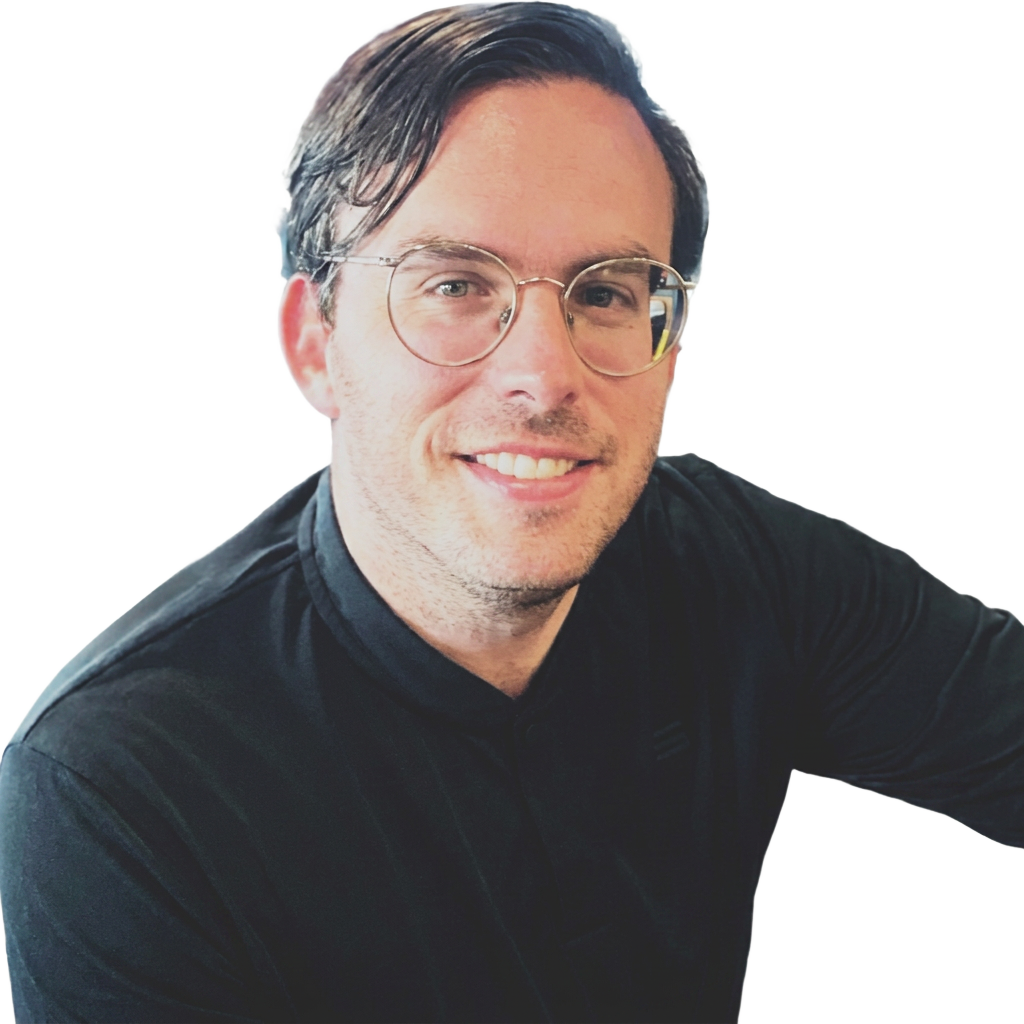
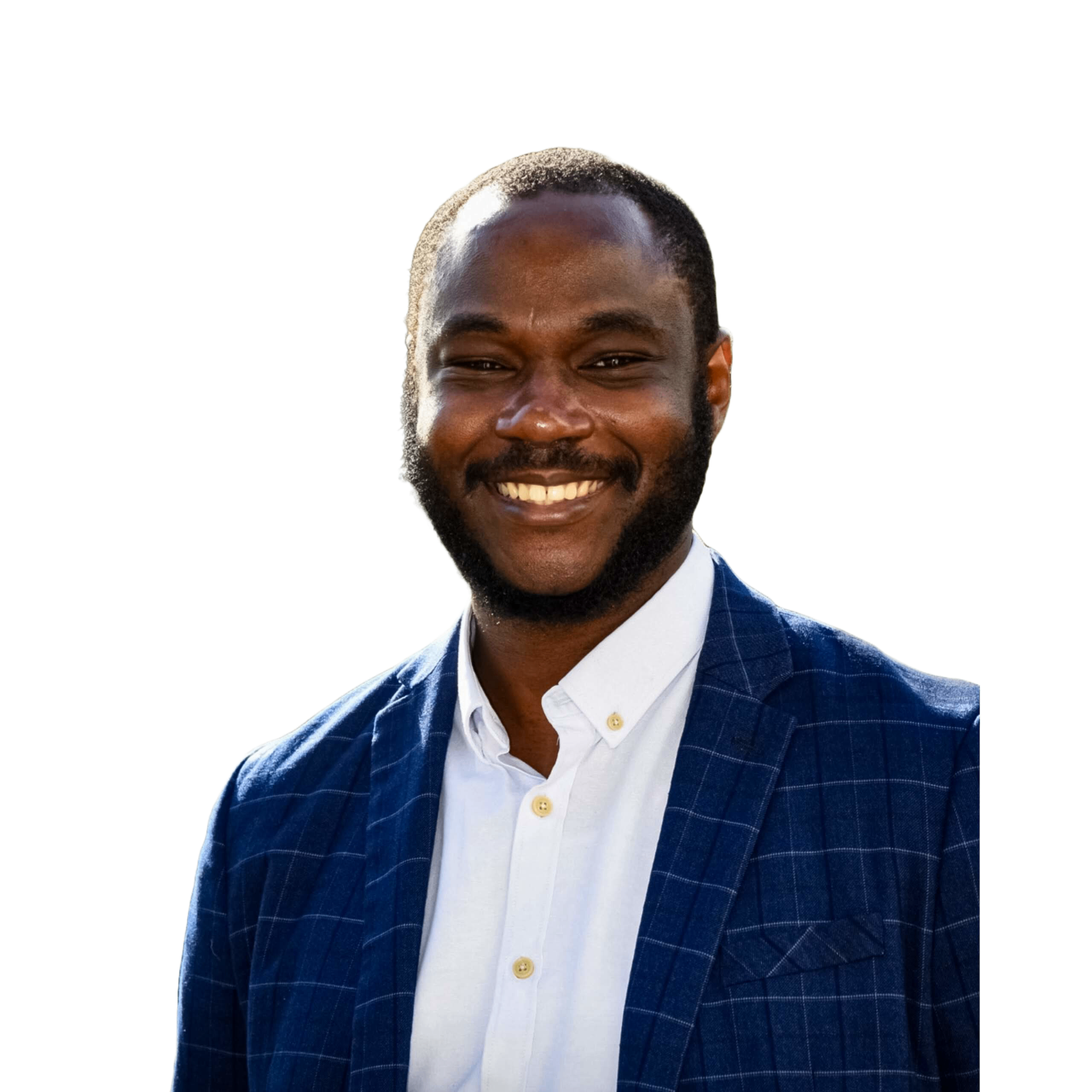
A team of engineers and scientists generating biomechanical evidence, led by its founders, Jeremi Leasure and Richard Raji, whose backgrounds span computational and physical biomechanics.
 CO-FOUNDER & PARTNER
Jeremi M. Leasure
Jeremi holds a master's in mechanical engineering from Drexel University and a bachelor's in mechanical engineering from Temple University, with research fellowships in orthopaedic biomechanics at the University of Tübingen and in clinical orthopaedics through the San Francisco Orthopaedic Residency Program. He has led engineering at Aurora Spine, Benvenue Medical, and Stress Engineering Services.
 CO-FOUNDER & PARTNER
Richard O. Raji
A licensed professional engineer, Richard holds a master's in bioengineering and biomedical engineering from UC Berkeley and a bachelor's in mechanical engineering from Afe Babalola University, with doctoral work in translational health sciences at George Washington University. He has directed orthopaedic research programs at UCSF Health (Stanyan Hospital) and Dignity Health (St. Mary's Hospital), and led Hyperloop stability-subsystem design and simulation at UC Berkeley.
In the field, and in the record.
Research updates, engineer to engineer.
Method explainers, study releases, and regulatory commentary.